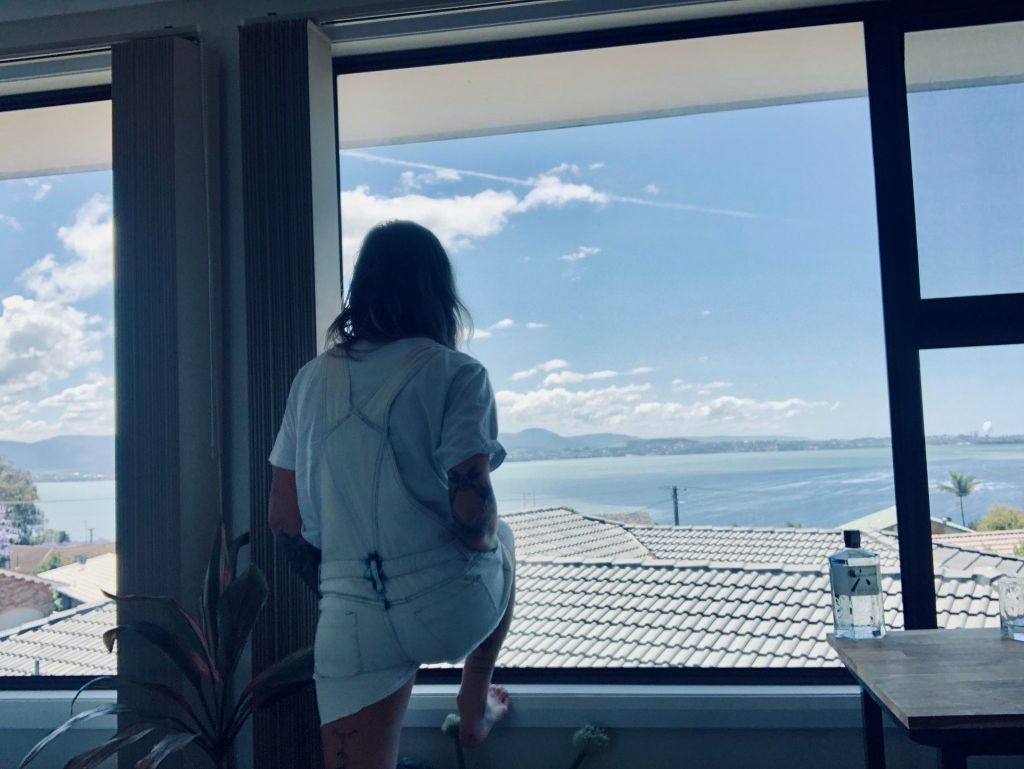
I didn’t expect a university assignment to be a gateway into self-inquiry but perchance by poking around my own rabbit hole of disillusion through a crumby iPhone, I have gained a breadth of what it means to capture and convey the landscape of another. Here’s hoping, because I certainly don’t want to be the focus again. I chose this content as lockdown and the pandemic has touched everyone near and far to some degree and the topic of mental health has finally garnered the attention it deserves.
At the beginning of this module, we were asked to decipher who our favourite photographers were and why their work speaks to us. Mine is undoubtedly Luke Shadbolt from Sydney. His work captures the insanity and abyss of the ocean in flux in a captivating and intimate way.
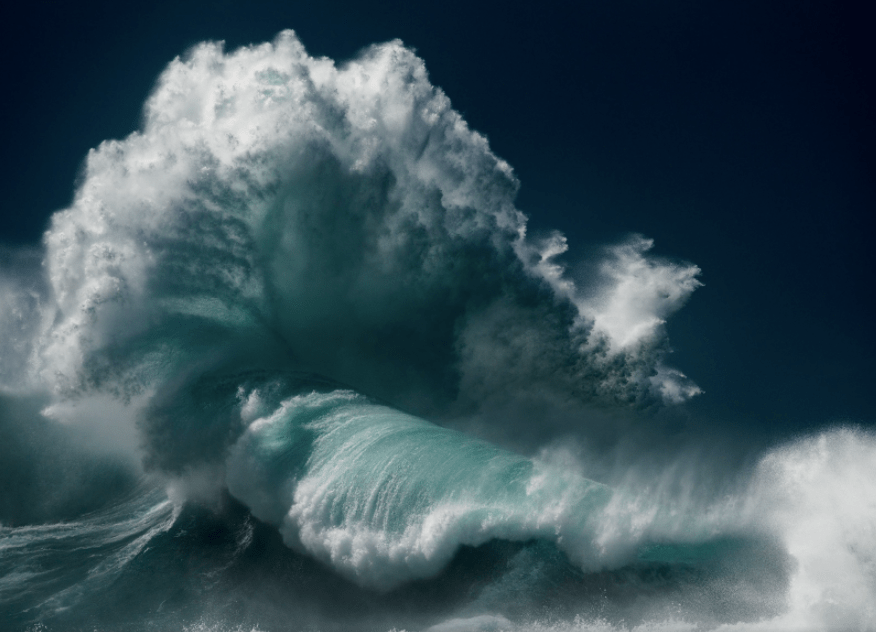
The ocean is akin to our mind, simultaneously roaring with energy and ominously still. Taking photos of either seems equally as challenging. But like the vast ocean, you have to dive in. With the parameters & emotional chaos of yet another lockdown, I decided I wanted to explore the impact of these strange lands on my own psyche by integrating the lens of a Trauma Therapist as this gives credible context and insight to the story.
Weaving the diegesis of Dr Joey Pucci with the interpersonal mimesis of my day to day (what day is it?) was ultimately a creative endeavour as it wasn’t as narratively straightforward as photographing her story, rather I was inviting her voice into my world. This was a messy and vulnerable dance in eliciting dramatic structure and pertained that I pay careful attention to the story arc so that concurrent stories could be comprehended.
My quiver contains absolute amateur photography and editing skills, a borrowed computer and a beat-up selfie stick from hiking around Canada. I staged my photos as a visual diary to the muck, mire and unhinged pensiveness I experienced over however many weeks. I aimed to align the photos with Dr Pucci’s specific audio cues and by doing so offer myself as a symbol to the overarching theme of the story. Thus weaving the audio and visuals to create an impactful narrative that’s engaging.
Integrating what I have learnt throughout this module and incorporating it into a pandemic constrained situation was an experience that has taught me to work within parameters outside my control. Creating a digital story offers various angles and elements to the narrative, I found the Malborough Marine to be particularly poignant in displaying how best to cohesively mould all these moving parts, ‘my nightmares revolve around a lot of faces.’. It is an intimate, often harrowing piece that demonstrated that photos can often speak louder than words, illuminating a facet of mind otherwise left to the imagination in a non-visual piece.
Steinar states that photo-journalism, ‘makes the world strange’, and this mantra is what I was attempting to pinpoint. Whilst operating within ethical and legal boundaries or as Steinar would say, ‘don’t incriminate yourself!’ I sought to evoke an emotive story that is accessible within the realms of a publishable story. With this fundamental information in mind and also the ongoing statistics that newspaper journalism is losing readers at an alarming rate I used this assignment as an experiment to explore what is appropriate, informative and interesting to an audience.
I cannot wait to have a functioning computer so that I can utilise the tools I have garnered throughout this module to tell many more stories. Thank you for a wildly bizarre year.


 Jane BAMBI Drew
Leave a comment